5 Common Misconceptions About Online Document Translations from Transhausa


Misconception 1: Google Translate is Sufficient
Many people believe that free online tools like Google Translate are sufficient for translating documents. While these tools are great for casual use, they often lack the accuracy required for professional documents. Machine translations can miss nuances, leading to errors that can have serious consequences in legal, medical, or business contexts.
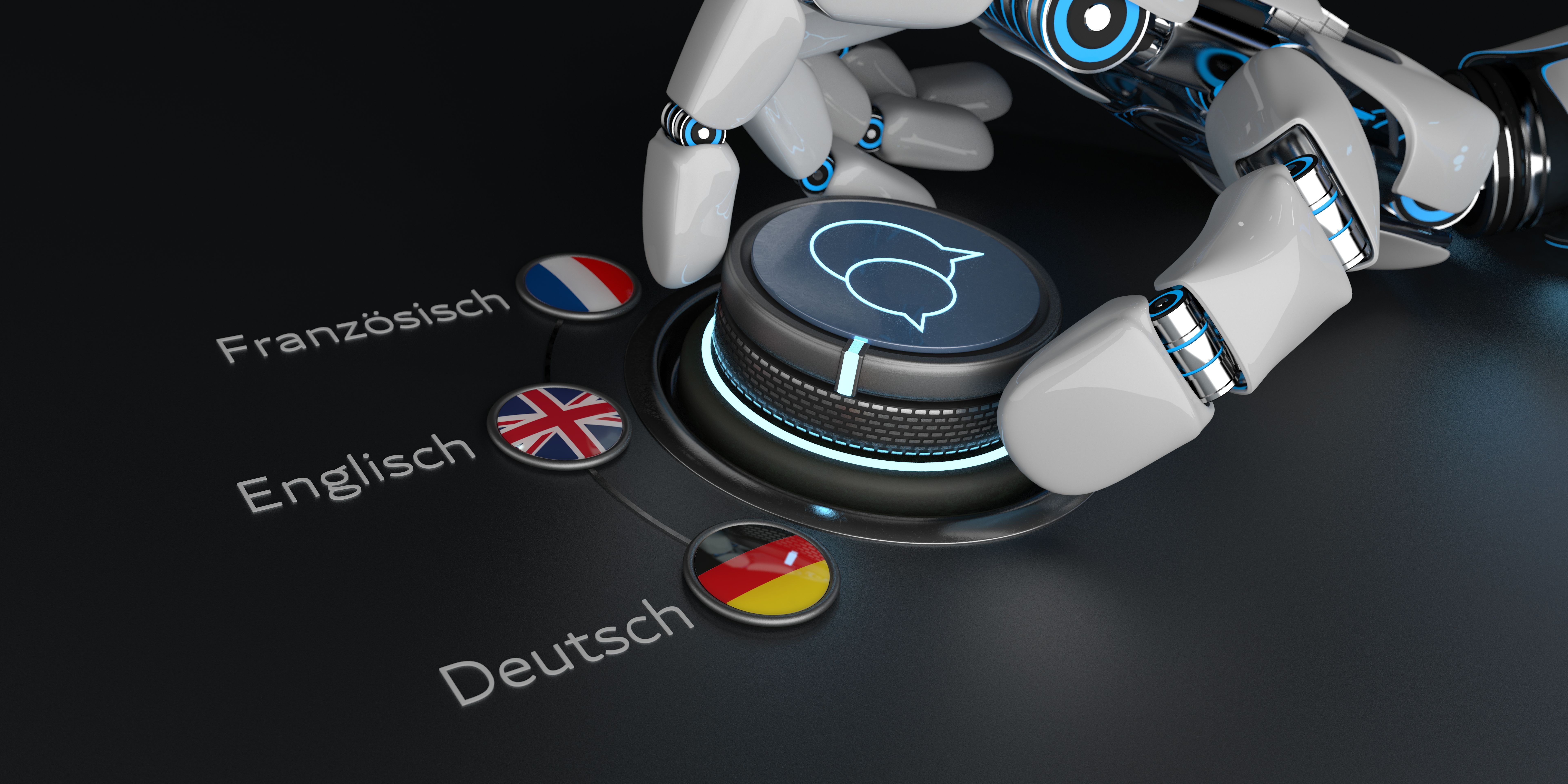
Misconception 2: All Translators Are the Same
Another common misconception is that all translators provide the same quality of work. In reality, the quality of translation can vary significantly depending on the translator's expertise, language proficiency, and subject matter knowledge. It's essential to choose a service like Transhausa that employs experienced translators with specialized knowledge.
Why Expertise Matters
Translators specializing in specific industries understand terminology and context better, ensuring that the translated document is not only accurate but also culturally appropriate. This can be crucial in fields like law or healthcare, where precise language is vital.

Misconception 3: Translation is Just Word Replacement
Some believe that translation is a simple word-for-word conversion. In reality, effective translation involves understanding and conveying context, tone, and cultural nuances. A good translator considers idiomatic expressions and adjusts the language to fit the target audience.
The Importance of Context
Ignoring context can result in translations that are technically correct but make little sense to native speakers. This is why professional translation services focus on context and intent, not just words.

Misconception 4: Translation is Quick and Easy
While technology has made translation faster, it is still a complex process that requires time and effort. Quality translation involves thorough research, careful selection of vocabulary, and multiple rounds of editing to ensure accuracy.
Time and Quality
Rushing a translation can compromise quality. It's important to allow translators adequate time to produce work that meets professional standards, ensuring the final document is both precise and effective.
Misconception 5: One Translation Fits All
Finally, many assume that a single translation can serve all purposes. However, different contexts may require different translation approaches. For instance, a marketing document might need a more creative translation than a technical manual.
Tailoring to the Audience
Professional translators customize their work to suit the document's purpose and audience, enhancing the effectiveness and impact of the content. This tailored approach ensures that the translation communicates the intended message clearly and appropriately.