Common Misconceptions About Preveduvac Angliski: Debunking the Myths


Understanding Preveduvac Angliski
Preveduvac Angliski, or English translator, plays a crucial role in bridging language gaps. However, there are several misconceptions that often cloud the understanding of their work. Let's explore these myths and uncover the truth behind them.

Myth 1: Translation is Just About Words
One common misconception is that translation is merely a word-for-word conversion. In reality, effective translation involves understanding context, culture, and nuances. A skilled translator considers the subtleties of both the source and target languages to convey the intended message accurately.
Translators must also adapt idioms and expressions that don't have direct equivalents. This requires creativity and deep linguistic knowledge, making translation a complex art rather than a simple mechanical task.
Myth 2: Anyone Bilingual Can Be a Translator
Being bilingual is undoubtedly an advantage, but it doesn't automatically qualify someone as a translator. Professional translation requires specialized training and experience. Translators need to master the intricacies of grammar, syntax, and cultural references in both languages.
Moreover, translators often specialize in specific fields like legal, medical, or technical translation, requiring expertise beyond language proficiency. This specialization ensures accuracy and relevance in complex subjects.
Myth 3: Machine Translation is Just as Good
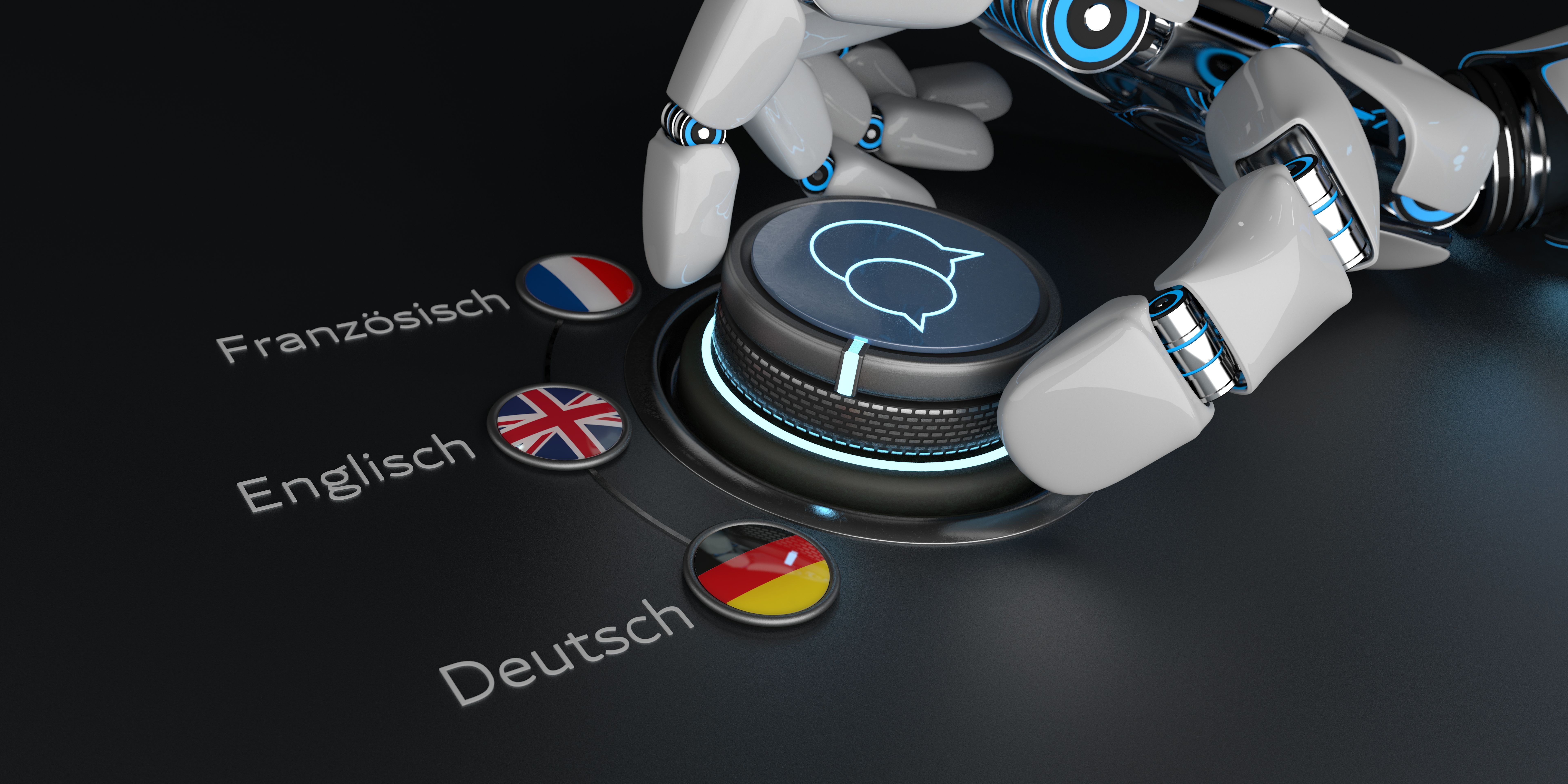
With advancements in technology, machine translation tools have become popular. However, they cannot replace human translators. These tools might struggle with nuances, idiomatic expressions, and cultural contexts, leading to inaccuracies.
Human translators bring a level of understanding and adaptability that machines cannot replicate. While technology can assist with basic translations, the human touch is essential for quality and precision.
Myth 4: Translation is Quick and Easy
Many assume that translation is a quick process. However, quality translation takes time and effort. Translators must thoroughly analyze the text, research context-specific terminology, and revise their work to ensure accuracy.
This meticulous process ensures that the final translation maintains the original's integrity while being culturally appropriate and linguistically correct.
Conclusion: Appreciating the Art of Translation
Understanding these misconceptions helps appreciate the true artistry and skill involved in translation. Professional translators are vital in facilitating global communication, and their work deserves recognition and respect.
Next time you encounter a translated document, take a moment to acknowledge the expertise and dedication behind it. The world is more connected thanks to the unsung heroes of translation.