Common Translation Mistakes and How to Avoid Them: Insights from Transhausa


In the globalized world of today, translation plays a crucial role in bridging cultural and linguistic gaps. However, even the most experienced translators can encounter pitfalls that lead to errors, impacting communication and understanding. This blog post delves into some common translation mistakes and offers practical advice on how to avoid them, drawing from the expertise of the language specialists at Transhausa.
Literal Translations: More Harm Than Good
One of the most frequent errors in translation is the literal translation of phrases. Language is rich with idioms, expressions, and cultural nuances that don't translate precisely from one language to another. A literal translation might result in sentences that sound awkward or nonsensical in the target language. It's essential to understand the context and the intended meaning behind a phrase to convey it accurately.
For instance, translating the English phrase "kick the bucket" literally into another language could lead to confusion. Instead, a translator should find an equivalent idiom or expression in the target language that conveys the same meaning.

Ignoring Cultural Context
Cultural context is a significant factor in translation. Languages are deeply intertwined with the cultures in which they are spoken. Ignoring cultural differences can lead to translations that are inaccurate or even offensive. Translators must be culturally aware and sensitive to ensure their work resonates with the target audience.
For example, a marketing campaign that works well in one country might not have the same impact in another due to cultural differences. It's crucial to adapt content to fit the cultural norms and expectations of the target audience.
Overlooking Grammatical Nuances
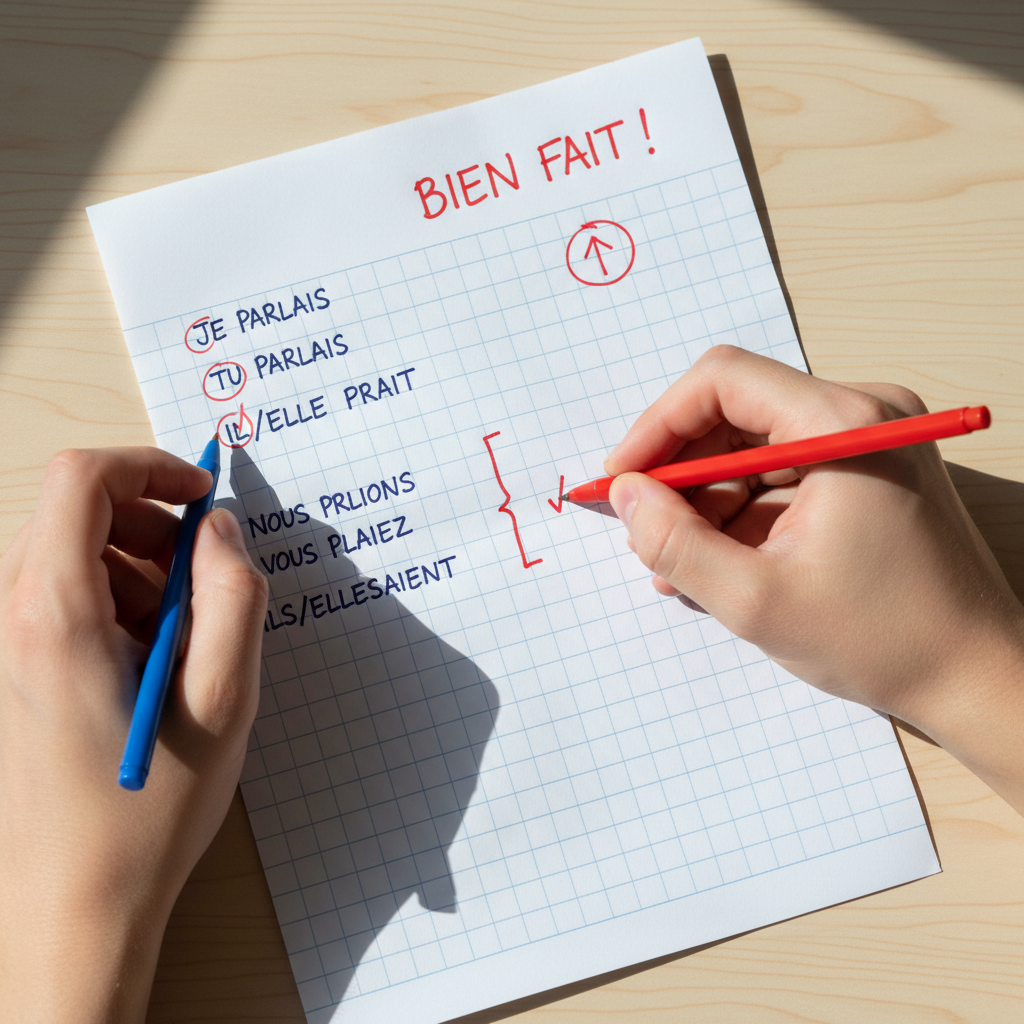
Grammar rules vary significantly between languages. A common mistake is failing to adjust for these differences, which can lead to grammatical errors in the translated text. This not only affects readability but can also damage credibility.
Translators should pay close attention to verb conjugations, sentence structure, and gender agreements, among other grammatical elements. Ensuring grammatical accuracy is vital for producing a polished and professional translation.
Machine Translation Pitfalls
With the rise of technology, machine translation tools have become increasingly popular. While these tools can be convenient, relying solely on them can lead to errors. Machines often lack the ability to understand context, cultural nuances, and idiomatic expressions, resulting in translations that are far from perfect.
Human oversight is crucial when using machine translation. A professional translator can review and refine the output to ensure accuracy and cultural relevance.
Effective Strategies to Avoid Mistakes
To avoid these common translation mistakes, it's essential to adopt effective strategies. Here are a few tips from Transhausa:
- Engage native speakers: Native speakers bring invaluable insights into cultural nuances and language intricacies.
- Utilize translation memory tools: These tools help maintain consistency across documents and projects.
- Invest in professional training: Continuous learning and development are key to mastering translation skills.

By being aware of these common pitfalls and implementing these strategies, translators can enhance their work's accuracy and effectiveness, ensuring clear and meaningful communication across languages.