Top Translation Trends Influencing the Industry Today


The Rise of AI and Machine Translation
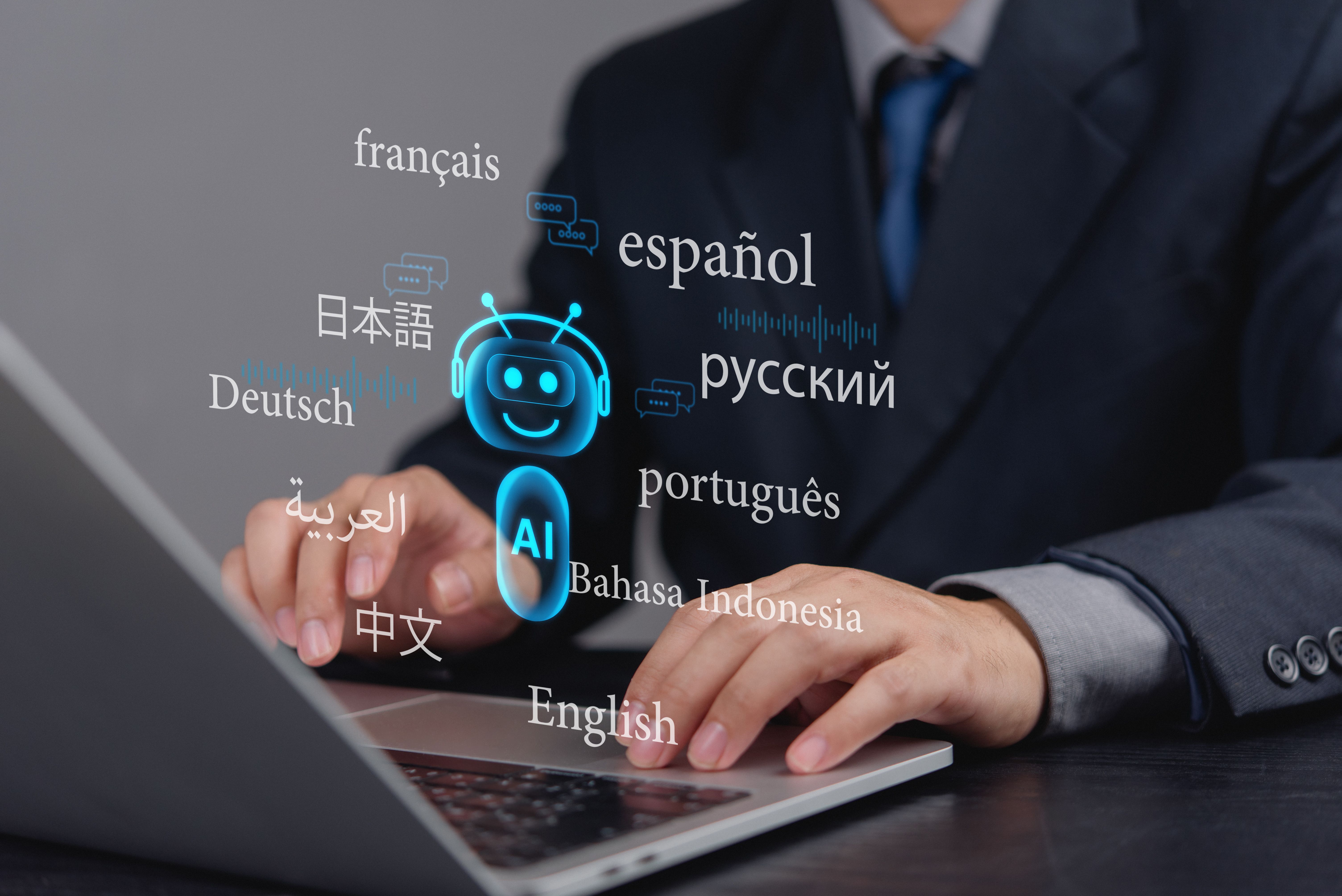
The translation industry is experiencing a significant transformation, driven largely by advancements in artificial intelligence (AI) and machine translation technologies. These tools are becoming increasingly sophisticated, allowing for faster and more accurate translations. While human translators are still essential for nuanced and context-rich content, AI is rapidly closing the gap for more straightforward translation tasks.

Emphasis on Cultural Localization
As businesses expand globally, there's a growing emphasis on cultural localization. It's not enough to simply translate words; understanding cultural nuances and local preferences is critical. This trend is influencing how companies approach their translation strategies, ensuring that content resonates on a cultural level with the target audience.
Focus on Real-Time Translation
Real-time translation is becoming increasingly important, particularly in fields such as customer service and international business meetings. Technologies that enable instant translation are in high demand, allowing for seamless communication across language barriers. This is particularly influential in enhancing the global customer experience.

Integration of Translation Management Systems
To streamline translation workflows, many companies are adopting Translation Management Systems (TMS). These systems help manage large volumes of content, providing a centralized platform for collaboration and quality control. TMS solutions are integral for businesses that require frequent and consistent translations across multiple languages.
Increased Demand for Video and Multimedia Translation
With the rise of content-rich platforms like YouTube and TikTok, there's a growing need for video and multimedia translation. This trend includes not only translating spoken words but also considering visual elements and on-screen text. The demand for subtitles and dubbing services is higher than ever, reflecting the popularity of video content globally.

Growing Importance of SEO in Translation
Search Engine Optimization (SEO) is now a crucial factor in translation. Businesses are recognizing that translated content must also be optimized for search engines in the target language. This involves keyword research and adaptation, ensuring that translated content is both accessible and relevant to local audiences.
Adoption of Neural Machine Translation
Neural Machine Translation (NMT) is an emerging trend that leverages deep learning models to improve translation accuracy. Unlike traditional models, NMT considers entire sentences as a whole, resulting in more fluid and natural translations. This is a significant advancement, particularly for complex languages and structures.
Focus on Data Security and Privacy
As translation involves handling potentially sensitive information, data security and privacy have become paramount. Companies are increasingly focusing on secure translation processes to protect client data. This trend is driving the adoption of secure platforms and encrypted communication channels within the industry.